
Have you treated your home for cockroaches only to find them back within weeks? Most cockroach treatments fail not because the product is weak , but because they target the wrong areas. Understanding why treatments fail and which method actually works is the difference between a short-term fix and long-term elimination. Here is what you need to know before your next cockroach treatment in Sharjah.
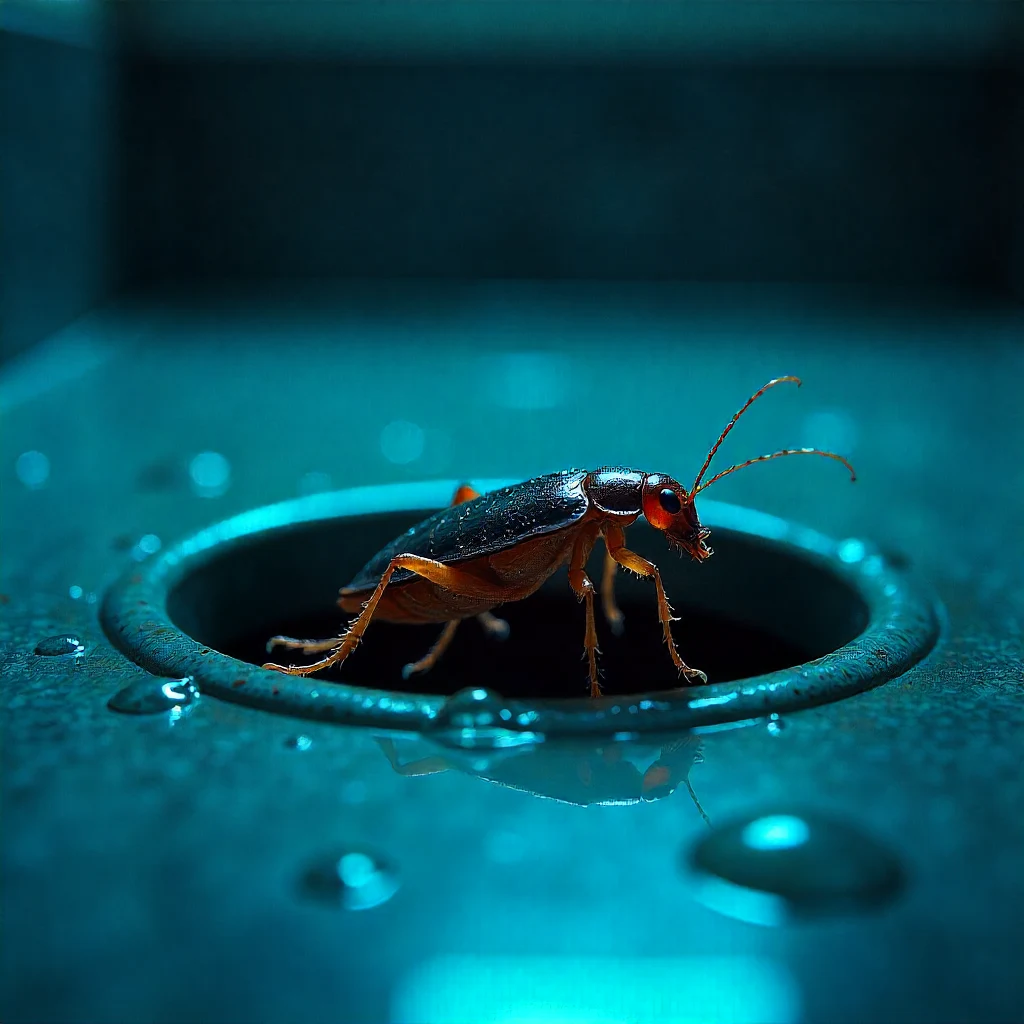
Why Cockroach Treatments Keep Failing
Before choosing gel bait or spray, it helps to understand why most treatments do not last.
1. Treatment Is Limited to Surface Areas
The most common mistake is treating only what you can see. Cockroaches nest behind cabinets, under appliances, inside drainage lines, and deep within wall cavities. A spray covers the floor and countertop. The colony remains completely untouched.
2. Eggs Are Left Behind
Most standard treatments do not affect cockroach eggs. Even if every visible cockroach is eliminated, a single egg case left behind can contain up to 40 eggs. Within weeks, the infestation is back at full strength.
3. Using the Same Method Repeatedly
Repeatedly applying the same chemical gives cockroaches time to adapt. When the same approach produces no result, the method needs to change — not the dose.
4. No Follow-Up After the First Treatment
A single treatment rarely completes the job. Cockroach control requires follow-up visits to catch newly hatched eggs and remaining activity. One-time treatments leave the lifecycle partly intact, which is why the problem always returns.
Understanding Cockroach Behavior
Cockroaches favor dark, warm, moist environments, kitchens, bathrooms, behind appliances, and inside drainage systems. They are nocturnal, which means most of the colony is active and feeding while you sleep. Effective control must target hidden colonies, breeding sites, and entry points, not just the visible insects on the surface.
How Gel Bait Works
Gel bait combines an attractant with a slow-acting insecticide. Cockroaches eat the bait, return to their hiding place, and spread the poison to others in the colony. This is what makes it effective for hidden infestations; the treatment reaches areas no spray can access.
Benefits of gel bait:
- Targets hidden colonies at the source
- Provides long-term residual control lasting weeks
- Effective in kitchens and areas sensitive to airborne chemicals
- Low odour, minimal disruption to the household
- Spreads through the colony via contact between cockroaches
How Insecticide Sprays Work
Sprays are designed for immediate reduction of visible cockroach activity. They kill pests on contact and create a treated surface that continues working for a limited period.
Sprays are commonly used for active infestations where quick action is needed. However, sprays alone may not eliminate hidden nests or cockroach eggs.
Side by Side Comparison Table
Gel Bait vs Spray: Which Is Safer for Pets and Children?
Gel bait is placed in concealed locations, inside cabinet hinges, under appliances, and along wall junctions. Airborne exposure is minimal, making it the safer option for homes with pets and children when applied professionally.
Sprays require the treated room to be vacated for a few hours while the product dries. Ventilate the space well before re-entering. Always follow your pest control technician's guidance on waiting times.
| Feature | Gel Bait | Spray Treatment |
|---|---|---|
| Main Purpose | Colony elimination | Immediate pest reduction |
| Speed of Results | Moderate | Fast |
| Long Term Control | High | Medium |
| Targets Hidden Nests | Yes | Limited |
| Residual Effect | Long lasting | Short to medium |
| Odor Level | Very low | Can Vary |
| Best For | Hidden infestation | Visible infestations |
| Application Area | Cracks and hidden spaces | Floors, walls, surfaces |
| Reinfestation Prevention | Strong | Moderate |
Drying and Residual Time Differences
Gel bait remains active for weeks as cockroaches repeatedly return to feed on it and spread it through the colony. Sprays typically dry within a few hours. Their residual contact effect fades over days, meaning repeat applications may be needed for ongoing infestations.
When Should You Use Gel Bait or Spray?
Use gel bait when:
- Cockroach activity is hidden behind appliances or inside cabinets
- The infestation keeps returning after previous treatments
- You need long-term colony elimination
- The treatment area is a kitchen or a space with pets and children
Use spray when:
Cockroaches are highly visible and active across large areas
Immediate reduction is needed before a longer-term plan
Treatment is being combined with gel bait for a two-stage approach
Large open commercial or storage areas need coverage
| Safety Factor | Gel Bait | Spray Treatment |
|---|---|---|
| Pet Safety | High when hidden properly | Moderate until dry |
| Child Safety | High when professionally placed | Moderate during treatment |
| Air Exposure | Minimal | Higher during spraying |
| Odor | Low | Moderate |
| Room Restriction | Usually none | Temporary restriction |
Cost Comparison
Gel bait may cost more upfront but tends to last significantly longer with fewer repeat visits required. Sprays are quicker to apply but may need regular reapplication for persistent infestations. For recurring problems, gel bait often delivers better value over time.
Why Professional Pest Control Matters
DIY treatments address what is visible. Professionals address what is not. A trained pest control technician inspects behind appliances, inside drainage systems, and along wall cavities to find where the colony is actually nesting. From there, a customised plan is built, not a generic spray-and-leave approach.
Professional treatment also includes follow-up visits timed to catch any newly hatched eggs before the cycle restarts. This is the step most DIY attempts miss entirely.
FAQs
Why do cockroaches keep coming back after treatment?
Hidden nests and eggs were not fully addressed. Surface treatments miss the colony. Without targeting the source and scheduling follow-up visits, the lifecycle continues unbroken.
How long does complete cockroach elimination take?
Most cases require 2–3 visits over 4–6 weeks to break the breeding cycle completely. Severity of the infestation determines the exact timeline.
Are gel baits safe around cats and dogs?
Generally, yes when professionally placed in concealed locations. The bait is inaccessible to pets when applied correctly by a technician.
How long after spraying can I re-enter the room?
Usually a few hours, depending on the product and ventilation. Your technician will confirm the exact waiting time for the product used..
Can gel bait replace spraying?
For hidden, recurring infestations, gel bait alone is often more effective. For severe or widespread activity, combining both methods delivers faster and more complete results.
What do cockroach pest control companies in Sharjah use?
Approved methods including gel bait, residual sprays, monitoring stations, and preventive treatments tailored to the type and scale of the infestation.
Why do cockroach problems keep coming back?
Most treatments only address visible insects. Eggs, hidden nests, and entry points are left untouched. Without treating the root cause, the colony rebuilds within weeks.
Summing Up
Cockroach control is not about using the strongest product; it is about targeting the right areas with the right method and following through until the breeding cycle is broken. Whether gel bait, spray, or a combination works best depends on your specific situation. Al Atta Pest Control assesses each infestation individually and builds a treatment plan designed for results that last beyond the first visit.