In the hospitality industry, guest experience is everything. Even a small pest sighting can damage a hotel’s reputation, lead to negative reviews, and reduce future bookings. Guests expect clean, safe, and hygienic environments, and any pest problem can quickly affect customer trust and satisfaction.
Hotels and resorts face a higher risk of pest activity due to constant guest movement, food service areas, laundry facilities, and large property sizes. Implementing preventive strategies and working with professional pest control services in Ajman can help hospitality businesses maintain hygiene standards, protect their reputation, and ensure a safe experience for guests.
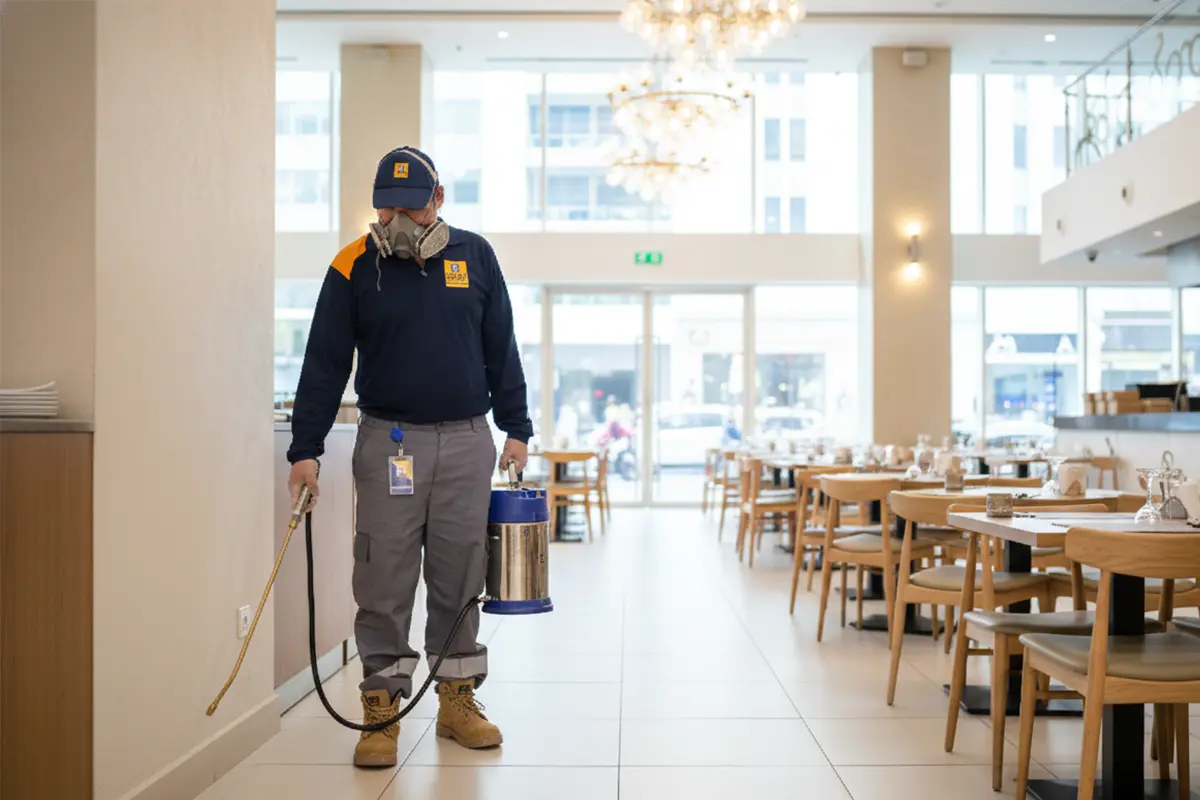
High Risk Pest Areas in Hotels and Resorts
Large hospitality properties have several areas where pests are more likely to appear. Identifying these high risk zones helps management take preventive action before infestations develop.
Wood to Ground Contact
Guest rooms can easily attract pests due to luggage movement and frequent occupancy.
Common pests include:
- Bed bugs
- Ants
- Cockroaches
Risk factors often include upholstered furniture, lack of deep cleaning, and frequent guest turnover. Warning signs may include small stains on bedding, unusual odors, or tiny dark spots.
Kitchen and Dining Areas
Hotel kitchens and restaurants handle food preparation, which makes them attractive to pests.
Common pests include:
- Flies
- Cockroaches
- Rodents
Food waste, spills, and clogged drains increase pest activity. Managers should watch for droppings, food contamination risks, or visible insects.
Laundry and Housekeeping Areas
Laundry rooms provide warmth and moisture, which are ideal conditions for certain pests.
Common pests include:
- Silverfish
- Cockroaches
- Rodents
Stored linens and damp environments can attract pests, so regular cleaning and inspection are necessary.
Garbage Disposal Areas
Waste management areas often attract pests if bins are not properly maintained.
Common pests include:
- Rodents
- Flies
- Ants
Overflowing bins, uncovered waste containers, and poor sanitation can increase pest activity.
Outdoor Spaces
Gardens, swimming pool areas, and outdoor seating spaces can also attract pests.
Common pests include:
- Mosquitoes
- Ants
- Birds
Standing water, landscaping close to buildings, and uncovered drains can increase pest presence.
Preventive Pest Control Strategies for Hospitality Businesses
Maintaining a pest free hotel requires regular monitoring and preventive measures. Hospitality managers should focus on cleanliness, early detection, and routine inspections to reduce the risk of infestations.
- <strong data-start="211" data-end="242">Conduct Regular Inspections: Frequent inspections help identify pest activity early. High risk areas such as kitchens, storage rooms, and guest areas should be checked regularly to prevent infestations.
- <strong data-start="420" data-end="460">Maintain Strict Sanitation Standards: Clean environments discourage pests. Proper hygiene in food preparation areas, guest rooms, and waste management zones helps maintain a safe space for guests.
- <strong data-start="623" data-end="664">Train Staff to Identify Pest Activity: Hotel staff should be trained to recognize early signs such as droppings, unusual odors, or insect sightings so that problems can be addressed quickly.
- <strong data-start="820" data-end="853">Monitor Moisture and Drainage: Fix leaking pipes, clogged drains, and damp areas promptly. Reducing moisture helps prevent pests from breeding and spreading.
Choosing the Right Pest Control Service for Hotels
Hotels require professional pest control services that operate with minimal disruption to guests. Selecting the right service provider is important for maintaining safety and hygiene.
- <strong data-start="4110" data-end="4154">Look for hospitality industry experience: Choose a pest control provider that understands the specific challenges of hotels and resorts. They should be familiar with common hospitality pests and sensitive treatment areas.
- <strong data-start="4338" data-end="4383">Check licensing and regulatory compliance: Ensure the pest control company is licensed and follows local health regulations and safety standards.
- <strong data-start="4490" data-end="4528">Request customised treatment plans: Integrated Pest Management solutions combine monitoring, prevention, and targeted treatments. This approach is safer and more effective for hospitality environments.
- <strong data-start="4698" data-end="4742">Ensure follow up and monitoring services: The best pest control companies provide ongoing inspections, monitoring, and support to prevent future infestations.
Working with an experienced pest control partner helps hotels maintain hygiene standards and protect guest satisfaction.
FAQs
Why are hotels more vulnerable to pests?
Hotels have constant guest movement, food service areas, laundry rooms, and storage spaces. These conditions create opportunities for pests to enter and survive if preventive measures are not in place.
What pests are most common in hotels and resorts?
Common pests in hospitality properties include bed bugs, cockroaches, ants, flies, rodents, and mosquitoes.
How often should hotels schedule pest inspections?
Hotels should conduct regular internal inspections and schedule professional pest control services periodically to ensure early detection and prevention.
Can pest problems affect hotel reputation?
Yes. Even a single pest sighting can lead to negative guest reviews, health concerns, and loss of bookings. Maintaining a pest free environment is critical for protecting the hotel’s reputation.
Conclusion
Maintaining a pest free hotel requires proper sanitation, staff awareness, and professional pest management. By implementing preventive strategies and partnering with experts like Al Atta, hospitality businesses can maintain high hygiene standards and protect their reputation.
Professional solutions such as restaurant pest control in Sharjah help hotels and food service areas prevent infestations, ensure compliance with hygiene regulations, and provide a safe and comfortable environment for every guest.