
Noticed a single bed bug bite and assumed it would stay contained to one room? It rarely does. Bed bugs spread quietly through everyday movement, shifting bedding, carrying laundry, even moving cushions between rooms and without quick action, a small problem becomes a full-home infestation within weeks.
At Al Atta Pest Control, we see this pattern often across Sharjah homes: containment attempted too late or done incorrectly. This guide covers exactly what to do, what to avoid, and when professional bed bug pest control becomes the only effective next step.
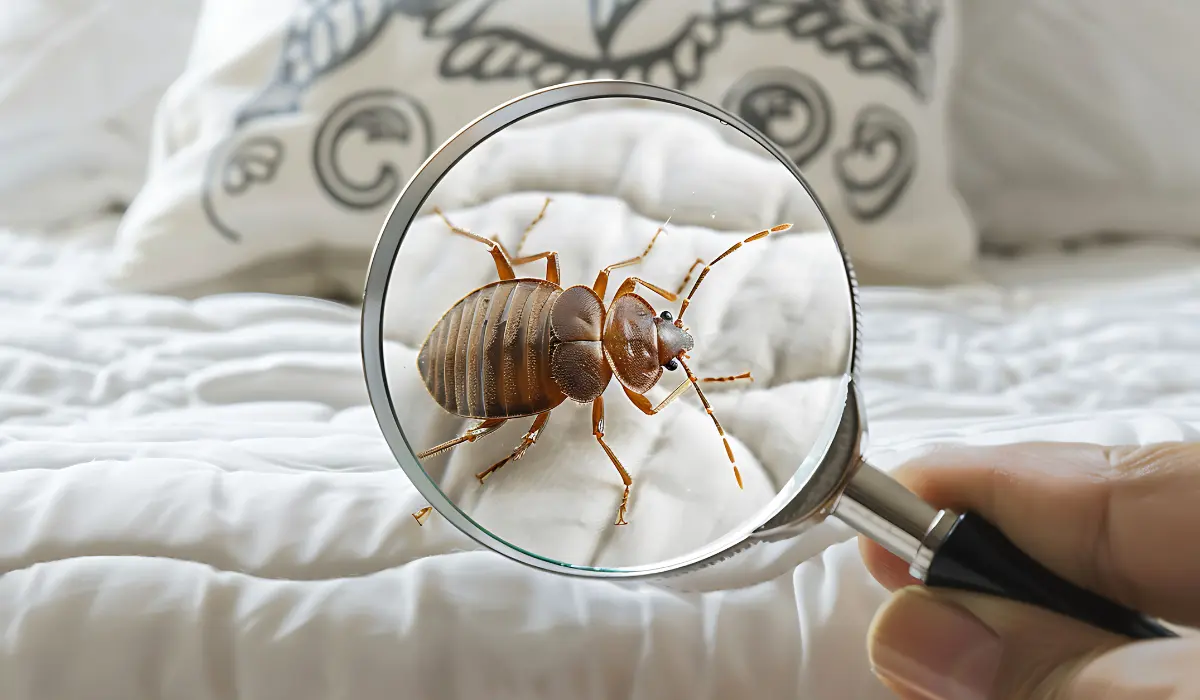
How do Bed Bugs Spread so Quickly?
Bed bugs do not fly or jump, but they crawl efficiently and hide in tiny cracks. More importantly, they travel through human movement. Carrying bedding to another room, shifting cushions to the sofa, or transporting unsealed laundry can relocate them without you realising it. They also migrate through wall gaps, electrical outlets, and door frames. Because human activity drives the spread, containment must be deliberate and immediate.
How Quickly Can Bed Bugs Move Between Rooms?
Bed bugs move faster than most people expect. A single female can lay between 1 and 7 eggs per day and up to 500 eggs in her lifetime. At room temperature, eggs hatch within 6 to 10 days, and nymphs reach adulthood in as little as 5 weeks. Here is what that means in practice:
| Timeframe | What can happen |
|---|---|
| Day 1–3 | Eggs laid in new location if infested items were moved |
| Week 1–2 | Eggs hatch; nymphs begin feeding and spreading |
| Week 3–5 | Nymphs mature; secondary infestation established in a new room |
| Week 6+ | Multiple rooms affected; professional treatment becomes essential |
Step-by-Step Guide to Containing Bed Bugs
- Isolate the affected room. Limit movement in and out. Do not shift furniture or bedding into other areas. Continue sleeping in the same room — moving sleeping areas encourages bed bugs to follow.
- Seal all items before moving. Seal clothing, bedding, and soft furnishings in plastic bags before transporting them for washing. Never carry loose infested items through the home.
- Apply heat to fabrics. Wash on the highest safe temperature and dry on high heat for at least 30 minutes. Heat above 49°C kills bed bugs and eggs at all life stages.
- Vacuum thoroughly. Vacuum mattress seams, bed frames, carpets, skirting boards, and nearby furniture. Immediately dispose of the vacuum bag in a sealed bag outside the home.
- Reduce clutter. Clutter creates hiding spots. Clear items from floors and under beds to limit nesting areas and make monitoring easier.
- Use mattress encasements. Encase both mattress and box spring in bed bug-proof covers. This traps any remaining bugs and prevents new ones from establishing inside the mattress.
- Monitor with interceptors. Place bed bug interceptor traps under each leg of the bed frame. These catch bugs moving to or from the bed and confirm whether containment is working.
Room Isolation Checklist
Before leaving or entering the affected room, confirm each of the following:
- Clothing was changed and sealed in a plastic bag before leaving the room
- Bedding sealed in bags before being taken for washing
- No furniture moved to unaffected rooms
- Door gap sealed with a draught excluder or towel
- Electrical sockets in the room covered with socket covers
- Vacuum used after every inspection; bag disposed of outside
- No guests or children allowed into the room until treatment is complete
Mistakes That Make Bed Bugs Spread Faster
These common responses to a bed bug problem almost always make things worse:
- Moving to another bedroom: bed bugs detect body heat and CO2 and will follow you, infesting the new room within days
- Throwing away the mattress without sealing it: dragging it through the home leaves a trail of bugs in every room it passes through
- Using foggers or off-the-shelf sprays: these push bugs deeper into walls and furniture without eliminating them, accelerating the spread
- Ignoring the problem and waiting: a single pair of bed bugs can produce hundreds of offspring within 6 weeks
- Washing bedding without sealing it first: carrying loose, infested laundry through the home transfers bugs to carpets, sofas, and hallways
- Treating only the bed: bed bugs hide in wall cavities, electrical outlets, floorboards, and furniture throughout the room
When to Call a Professional in Sharjah
Home methods can slow the spread of a minor infestation, but there are clear signs that professional bed bug pest control is the only effective next step:
- Bites appearing in more than one room despite containment efforts
- Live bugs or shed skins found outside the original affected room
- Activity continuing 2 or more weeks after consistent heat treatment and vacuuming
- Bugs spotted in furniture, skirting boards, or wall cavities — areas that home methods cannot reach
- Returning from travel and finding activity across multiple areas of the home
Al Atta Pest Control provides professional bed bug treatment in Sharjah, covering all life stages including eggs hidden in structural gaps. Early intervention prevents a contained infestation from becoming a full-home problem.
FAQs
Can bed bugs spread from house to house?
Yes. Bed bugs travel on clothing, bags, luggage, and second-hand furniture. They are frequently introduced into homes after hotel stays, visits to infested properties, or through used items. In apartment buildings, they can also spread through shared walls and utility conduits.
Do bed bugs follow you to a different room?
Yes. Bed bugs locate hosts by detecting body heat, carbon dioxide, and skin odour. If you move your sleeping area, they will track you to the new room within a few days, establishing a second infestation. Staying in the affected room is part of effective containment.
How fast do bed bugs spread from room to room?
Without containment, bed bugs can establish a presence in a second room within 2 to 3 weeks. With active movement of infested items, it can happen within days. Eggs hatch in 6 to 10 days, meaning a secondary infestation can be self-sustaining by the end of the second week.
Will moving to another room make it worse?
Yes — this is one of the most common mistakes. Moving to another room does not escape the infestation; it extends it. Bed bugs follow body heat and will relocate to wherever you sleep, creating a second colony while the original one remains active.
Can bed bugs move between rooms on their own?
Yes, though more slowly than through human movement. Bed bugs crawl through wall gaps, electrical outlets, and door frames. In shared buildings or apartments, they can spread to adjacent units without any human assistance.
Should I throw away my mattress immediately?
Generally no — and doing so incorrectly makes things worse. Dragging an unsealed mattress through the home spreads bugs across every room it passes through. If disposal is necessary, seal the mattress completely in a heavy-duty plastic bag before moving it. In most cases, a mattress encasement combined with professional treatment is more effective and less costly.
Conclusion
Act early. The faster you respond to signs of bed bugs, the easier it is to prevent them from spreading. Follow the step-by-step containment guide, avoid the common mistakes that accelerate spread, and monitor daily. If activity continues or expands beyond one room, contact Al Atta Pest Control for professional bed bug pest control in Sharjah.