Environmental Impact of Pest Control in Sharjah: What You Need to Know
Pest control plays an important role in maintaining hygiene, protecting property, and safeguarding public health in urban environments like Sharjah. As the city continues to grow, the demand for reliable pest management solutions has increased significantly. However, it is equally important to understand how pest control practices can affect the environment. Creating awareness about sustainable pest management helps ensure that effective treatments are balanced with ecological responsibility.
Why Pest Control Is Essential in Urban Areas
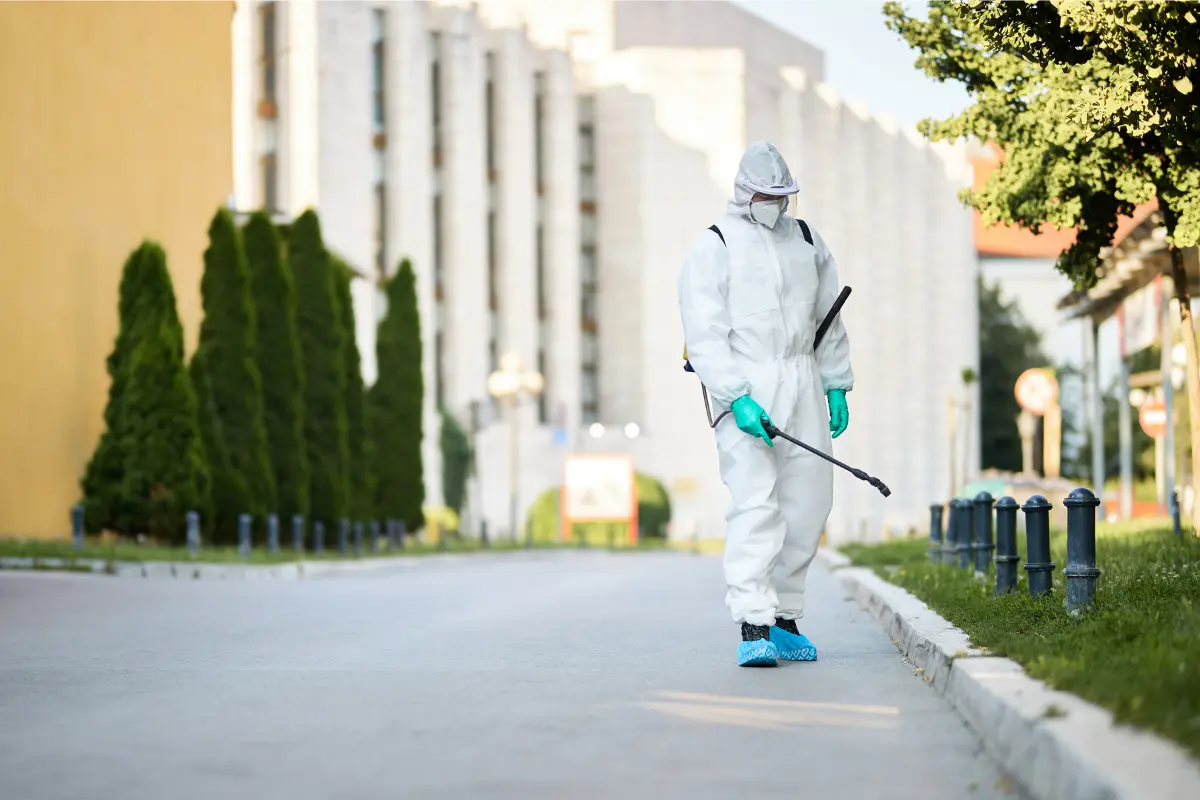
In densely populated areas, pest infestations can spread quickly if preventive measures are not taken. Pests such as cockroaches, rodents, mosquitoes, and termites can contaminate food, damage structures, and create uncomfortable living conditions. Seeking a reliable Pest control service in Sharjah helps reduce these risks and supports healthier indoor and outdoor environments.
Timely pest management also protects commercial spaces, warehouses, and residential communities from financial losses and hygiene concerns. By addressing infestations early with professional support, property owners can maintain safety standards and reduce long term repair costs.
Common Pest Control Methods Used
Traditional pest control methods often rely on chemical pesticides to eliminate pests effectively. While these treatments provide quick results, their environmental impact has raised concerns in recent years. Modern pest management now focuses on combining different approaches that reduce dependency on harsh chemicals.
Some commonly used pest control strategies include:
- Chemical treatments for rapid infestation control
- Biological control methods that use natural predators
- Organic and low toxicity pesticide solutions
- Integrated pest management focusing on prevention and monitoring
- Structural improvements to block pest entry points
These methods aim to create a balanced approach where pest populations are controlled without causing unnecessary harm to the surrounding ecosystem.
Environmental Effects of Chemical Pest Control
Excessive or improper use of pesticides can lead to several environmental challenges. Chemicals may seep into the soil and water sources, affecting plants, animals, and beneficial microorganisms. Over time, this contamination can disrupt natural food chains and reduce biodiversity in urban and suburban areas.
Air quality may also be affected when pesticide particles spread during application. Additionally, non target species such as birds, insects, and small animals can be exposed to toxic substances, leading to unintended ecological consequences. Understanding these risks highlights the importance of adopting responsible pest control practices.
Government Regulations and Sustainability Initiatives
Authorities in Sharjah have introduced strict guidelines to ensure that pest control activities are carried out safely and responsibly. Licensed service providers must follow approved procedures, use regulated chemicals, and implement environmentally conscious solutions wherever possible.
These initiatives support the city’s broader environmental goals, encouraging businesses and residents to prioritise sustainable practices. By promoting eco friendly pest management, government policies contribute to long term environmental protection and improved public awareness.
Role of Pest Control Companies in Environmental Protection
Professional pest control companies play a key role in minimising environmental impact while maintaining effective results. By adopting advanced technologies and integrated pest management strategies, they can reduce chemical usage and focus on preventive solutions.
Regular inspections, targeted treatments, and proper waste disposal methods help limit unnecessary exposure to pesticides. Training technicians to follow safety protocols further ensures that pest control operations align with environmental standards.
Importance of Community Awareness and Participation
Environmental protection is not the responsibility of service providers alone. Residents, business owners, and community organisations must also take part in maintaining pest free surroundings. Simple actions such as proper waste management, moisture control, and structural maintenance can reduce pest attraction and lower the need for intensive treatments.
Educational campaigns and awareness programs encourage individuals to make informed decisions about pest prevention. When communities work together, the overall effectiveness of sustainable pest management improves significantly.
Balancing Effective Pest Control with Environmental Care
Achieving the right balance between pest control and environmental protection requires a long term perspective. Integrated pest management offers a practical solution by combining sanitation, monitoring, and limited chemical use. This approach focuses on preventing infestations rather than relying solely on reactive treatments.
Innovative research and technological advancements are also shaping the future of pest control. Eco friendly products, smart monitoring systems, and biological solutions are helping create safer and more sustainable pest management practices.
FAQs
Why is pest control important in cities like Sharjah
Urban environments provide ideal conditions for pests to thrive. Effective pest control helps protect public health, maintain hygiene, and prevent structural damage.
Can pest control treatments harm the environment
Improper or excessive use of chemical pesticides may impact soil, water, and non target species. Responsible application and eco friendly methods help reduce these risks.
What is integrated pest management
Integrated pest management is a strategy that combines preventive measures, monitoring, and minimal chemical use to control pests sustainably.
How can residents support environmentally friendly pest control
Maintaining cleanliness, managing waste properly, and addressing moisture issues can reduce pest attraction and support sustainable pest management efforts.
Conclusion
Understanding the environmental impact of pest control in Sharjah highlights the need for responsible and sustainable practices. By combining effective treatments with preventive strategies and community participation, it is possible to maintain hygienic spaces while protecting natural ecosystems. Continued awareness, innovation, and regulatory support will play a vital role in shaping a greener and healthier future for pest management.