
Water tank cleaning in Sharjah is often mistaken for simple chlorination. Many assume that disinfecting the water is enough to maintain hygiene, but in reality, chlorination addresses only part of the problem. Over time, internal contamination within the tank itself, sediment, residue, and microbial layers, can continue to affect water quality regardless of chemical treatment. This raises an important question: Are you maintaining water quality, or overlooking the condition of the tank storing it? Let’s understand this better in the guide below.
Chlorination is an effective disinfection method designed to neutralise bacteria and microorganisms present in water. It works at a chemical level, reducing microbial risk and improving immediate water safety.
However, its scope is limited. Chlorine does not remove physical contaminants such as settled particles, corrosion residue, or biofilm formation along tank surfaces. In other words, it treats the water but does not address the environment in which that water is stored. Without periodic water tank cleaning in Sharjah, these underlying issues remain and can gradually compromise water quality.
From an operational perspective, relying solely on chlorination creates a gap between disinfection and actual cleanliness.
Water tanks naturally collect suspended particles over time, dust, sand, rust, and mineral deposits. These settle at the base and form a sludge layer that remains unaffected by chemical treatment. This accumulation can reintroduce impurities into the water during usage cycles.
Tank walls and internal surfaces can develop microbial layers that are resistant to surface-level disinfection. These biofilms act as protective environments for bacteria, allowing them to persist even after chlorination. Physical cleaning is required to disrupt and remove these layers effectively.
When internal contamination is not addressed, water quality can decline subtly, through changes in clarity, odour, or taste. These are often late indicators, by which point contamination has already developed. Routine water tank cleaning in Sharjah helps prevent this gradual degradation rather than reacting to it.
A comprehensive cleaning process addresses both visible and hidden contamination within the tank.
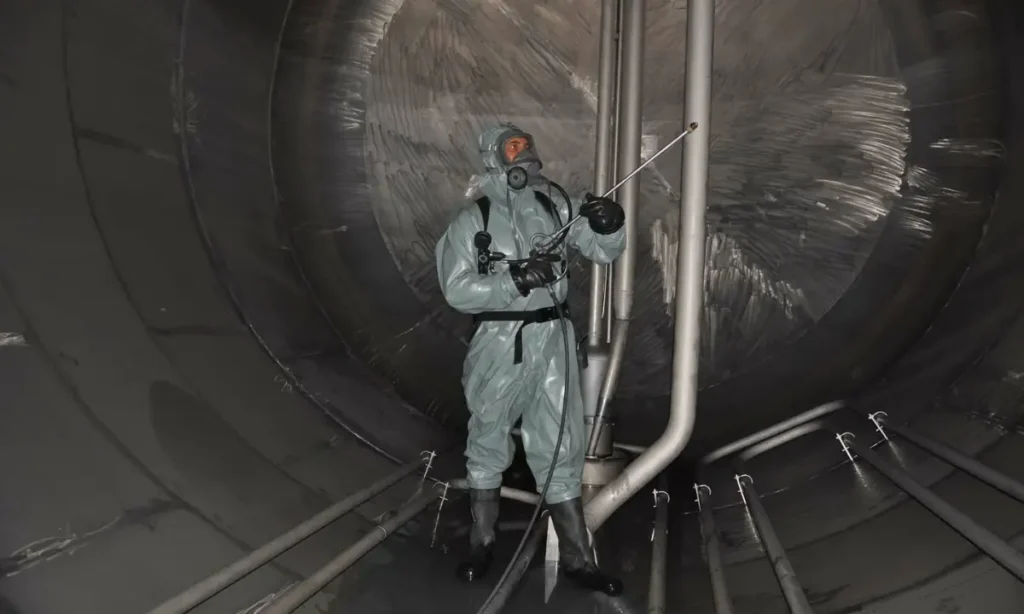
This typically includes complete drainage, removal of settled sludge, and mechanical cleaning of internal surfaces to eliminate residue and biofilm. Once the tank is physically cleaned, disinfection is carried out to ensure microbial control.
Professional water tank cleaning in Sharjah follows this two-step approach, removal followed by disinfection, ensuring that the tank environment is restored, not just the water quality temporarily improved.
Full tank cleaning should be approached as a preventive measure rather than a response to visible issues. Look for signs such as suspended particles, unusual odour, or changes in taste, as these often indicate that contamination has already developed within the tank. Even when water appears clear, deposits continue to build up over time due to regular usage and storage. Establishing a routine water tank cleaning in Sharjah schedule with experienced providers like Al Atta Pest Control helps maintain consistent water quality and prevents long-term contamination.
The question is not whether to choose chlorination or cleaning, but how to use both effectively.
It is effective for disinfection but does not address internal contamination or residue within the tank.
Regular intervals are recommended to prevent buildup, even if no visible issues are present.
Accumulated deposits and microbial growth can affect water quality and long-term hygiene.
Chlorination is a necessary step in water treatment, but it should not be considered a complete solution. Without addressing the internal condition of the tank, contamination can persist beneath the surface. A structured approach that includes both physical cleaning and disinfection ensures that water remains safe not just temporarily, but consistently. Regular water tank cleaning is therefore not just maintenance, it is a critical part of responsible water management. For a more thorough and professional approach, you can contact our experts at Al Atta Pest Control for reliable tank cleaning solutions in Sharjah.
WhatsApp us