
Understanding the Life Cycle of Cockroaches: Key Insights for Effective Pest Control in Sharjah
Cockroach infestations are one of the most frequently reported pest problems across Sharjah and one of the hardest to fully eliminate without understanding why they keep coming back. At Al Atta Pest Control, we have found that most recurring infestations happen because the treatment targets adult cockroaches but misses eggs and nymphs hidden elsewhere. Knowing the cockroach life cycle changes that. It tells you exactly where to look, when to treat, and why timing matters.
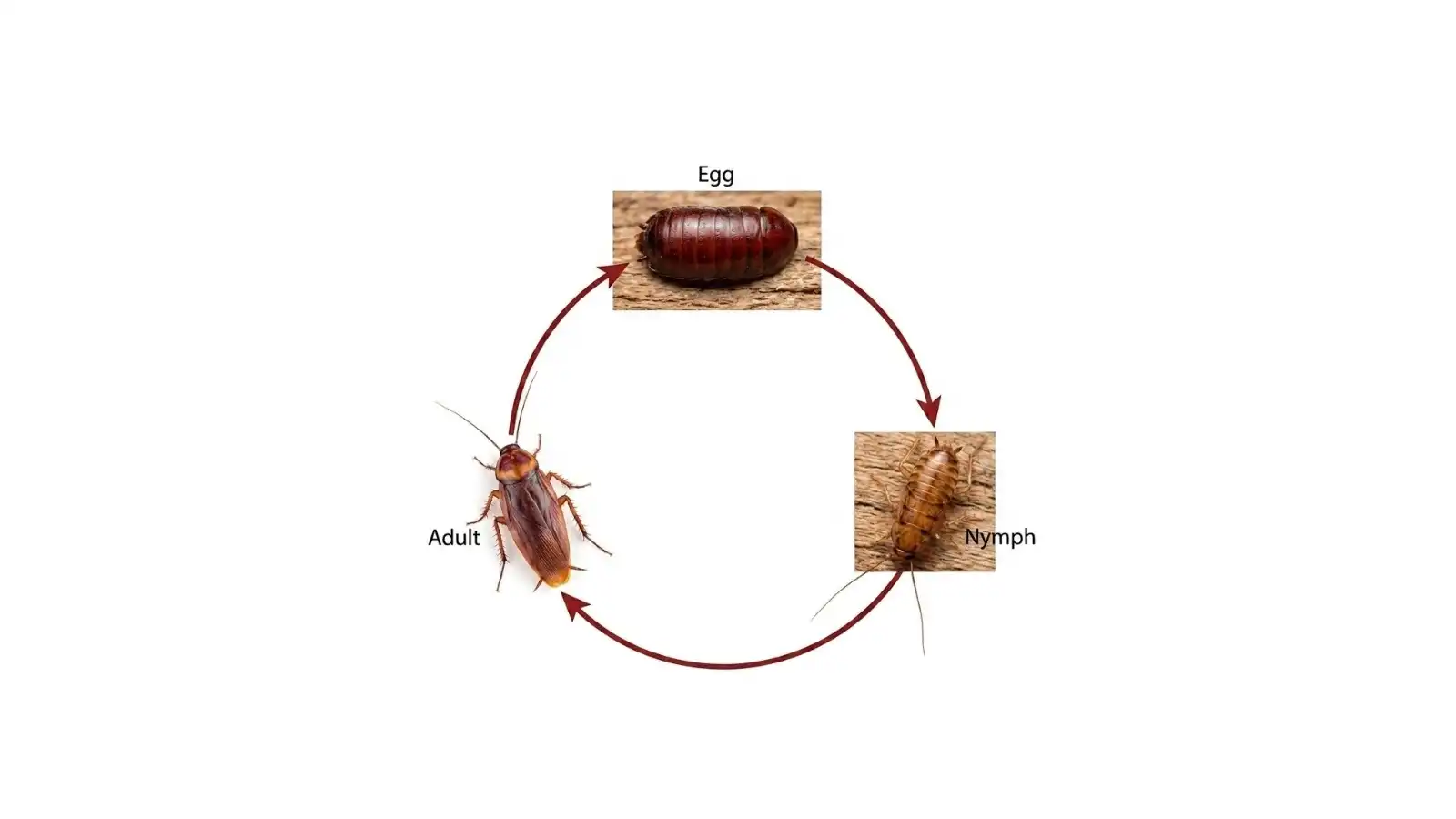
Stage 1 - The Egg Stage
A female cockroach does not lay eggs individually - she produces an egg case called an ootheca, which can contain between 16 and 50 eggs depending on the species. She deposits these cases in warm, humid, hidden locations: inside cabinet hinges, behind appliances, under sinks, and inside wall cracks. The ootheca is hard, moisture-resistant, and largely unaffected by surface sprays - which is why spray-only treatments often fail to stop the next generation from hatching.
Stage 2 - The Nymph Stage
Once eggs hatch, typically within 1 to 2 months, nymphs emerge. They look like miniature adults but are wingless and lighter in colour. Nymphs moult between 5 and 13 times before reaching adulthood, a process that takes anywhere from 6 weeks to 6 months depending on temperature and food availability. In Sharjah’s warm climate, this cycle accelerates significantly, meaning a small infestation can grow into a serious one within a single season.
Stage 3 - Adulthood and Reproduction
Adult cockroaches are the primary spreaders of bacteria and allergens in your home. They contaminate food surfaces, trigger asthma and skin allergies, and breed rapidly. A single female German cockroach can produce up to 300 offspring in her lifetime. Adults live for 6 to 12 months, during which they repeatedly lay egg cases in new locations, expanding the infestation throughout the property.
Common Cockroach Species in Sharjah and Their Life Cycles
Three species are most commonly found in Sharjah homes and businesses, each with slightly different habits:
- German cockroach (Blattella germanica) - The most common indoor species in Sharjah. Breeds fastest, prefers kitchens and bathrooms, and is the hardest to eliminate without professional cockroach pest control in Sharjah due to its resistance to many over-the-counter products.
- American cockroach (Periplaneta americana) - Larger, prefers drains, basements, and utility areas. Lives up to 2 years and produces fewer but larger egg cases.
- Oriental cockroach (Blatta orientalis) - Found in cooler, damp areas like storage rooms and garages. Slower breeding cycle but highly resilient to dry conditions.
Identifying the species correctly determines the right treatment method, product, and application point — something Al Atta Pest Control’s technicians assess during every inspection.
Why the Life Cycle Determines How Pest Control Works
Most DIY products and over-the-counter sprays only kill on contact - they do not affect eggs inside the ootheca. This is the most common reason infestations return 2 to 4 weeks after a DIY treatment. Professional pest control in Sharjah targets all three life stages: insect growth regulators (IGRs) disrupt the nymph moulting process, gel baits spread toxin through the colony, including egg-carrying females, and residual treatments create long-term barriers where cockroaches travel. Without targeting all stages simultaneously, the cycle restarts.
Prevention: Disrupting the Cycle Before It Starts
The fastest way to reduce cockroach populations is to remove what supports their life cycle — warmth, moisture, and food. Fix leaking pipes, keep food in sealed containers, clear grease buildup behind appliances, and seal gaps around plumbing entry points. Regular professional inspections catch new egg cases before they hatch, which is far less disruptive and less costly than treating a full infestation after the fact.
FAQs
How quickly can a cockroach infestation grow in a Sharjah home?
Very quickly. In Sharjah’s warm climate, the full life cycle from egg to reproducing adult can be completed in as little as 6 weeks. A single female German cockroach can produce hundreds of offspring in one season. This is why acting on the first signs of activity, droppings, shed skins, or a musty odour - matters so much.
Why do cockroaches keep coming back after I spray?
Surface sprays kill adult cockroaches on contact but do not penetrate the egg case (ootheca). Eggs hatch 4 to 8 weeks later and the cycle restarts. Effective cockroach pest control in Sharjah requires treatments that target all life stages, including IGRs and gel baits that reach egg-carrying females inside wall cavities.
Is professional cockroach treatment safe for children and pets?
Yes. Al Atta Pest Control uses MOCCAE-approved, eco-friendly products applied at regulated concentrations. Our technicians advise on safe re-entry times after treatment and use targeted gel bait and IGR applications that minimise chemical exposure in living areas, particularly important in kitchens and children’s rooms.
Conclusion
Cockroach infestations in Sharjah are persistent precisely because their life cycle is designed for survival. Targeting only adult cockroaches solves the visible problem but leaves the next generation untouched. Understanding the full cycle, egg, nymph, adult is what separates a temporary fix from a lasting solution. For professional cockroach pest control in Sharjah that targets all life stages, contact Al Atta Pest Control today.