
Does rooftop water tank cleaning differ from other types, depending on where the tank is located? If left untidy, problems can occur. If cleaned incorrectly, the water may be unclean, illness could occur within your family, and time may be wasted. This guide allows you to clean correctly depending on the tank location. Follow these easy steps and top tips below.
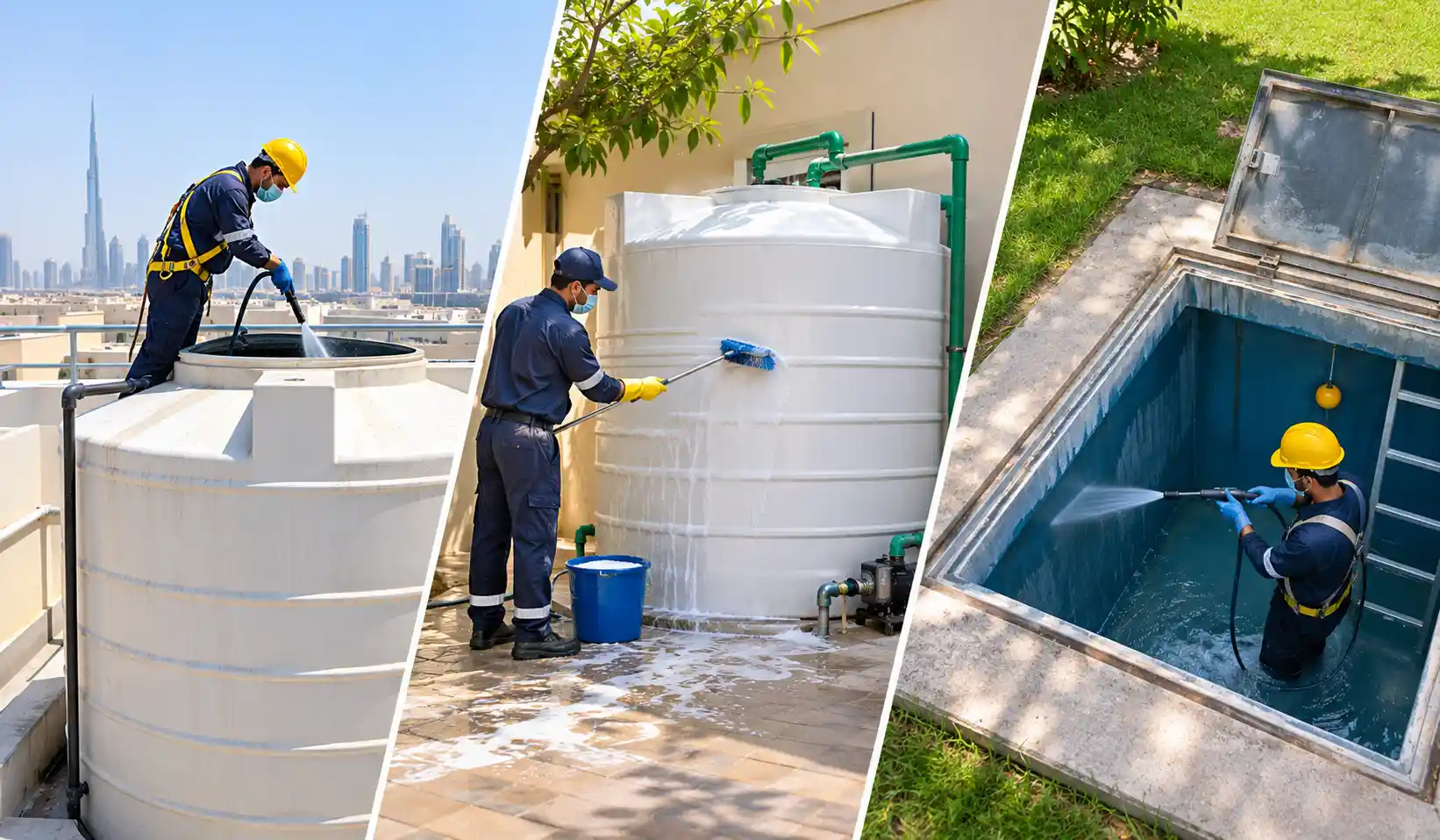
Why Does Tank Location Matter?
Although all water tanks can become dirty (with sediment, algae, and bacteria), depending on the location of the tank, the water tank cleaning methods will vary.
Signs Your Tank Needs Cleaning
Murky water
An unpleasant odour
Green scum
Sediment
A sudden change in taste
If you notice any of these, don't wait. Then it is time to clean.
Rooftop Tanks
Rooftop tanks can become very hot, encouraging algae growth. As they are on the roof, there is also more dust and bird droppings. For safe rooftop water tank cleaning, wear a safety harness. It is not advisable to clean a rooftop tank on your own. The best way to clean is:
Shut off the water supply and empty the tank as much as possible.
Empty the remaining water. Gently scrub the sides and base.
Flush out with clean water.
Apply a safe amount of chlorine disinfectant, following the instructions on the bottle.
Flush out with clean water. Top up with clean water and securely replace the lid.
Overhead Tanks
Overhead water tank cleaning can follow the same process as with a rooftop tank. However, depending on where it is, the tank could be on a tower or inside a building. Make sure the stairs and opening are safe.
Ground Tanks
Groundwater tank cleaning is easier on your body. However, as they are on the ground, more dust and insects can enter. As the tank can crack around the bottom, water can get in. Ensure the lid and overflow are intact. Clean from top to bottom.
Underground Tanks
Underground water tanks can be very difficult to clean. The tanks are very deep, dark, and often lack fresh air. Silt can collect in the bottom of the tank, and water from underground may seep into the tank. If you must enter the tank, make sure to do so with the right equipment and with trained people. Entering confined spaces can be dangerous. Only professionals should clean underground water tanks.
Also read: Safe Water Storage: The Risks of Neglecting Your Villa's Underground Tank
Key differences
To quickly see the difference between underground and overhead tanks, refer to the table below.
Type | Rooftop/Overhead | Ground |
Access | Stairs/roof | Easy |
Main Risks | Slippery, hot, algae | Insects and dust |
Common dirt | Algae and dust | Dust/insects |
Best cleaned by | Trained team/careful person | Person/team |
Frequency | Every 6 months | Every 6 months |
Plastic or Concrete?
Concrete vs plastic water tank cleaning differs depending on the material. Concrete tanks can be coarse and collect algae, so a firm brushing is recommended. Plastic tanks are smooth however can be easily scratched. So gentle brushes should be used. Do not use harsh acids on either tank.
Professional Help
If you have a very deep, hard-to-reach, or very dirty water tank, it may be best to use water tank cleaning services in Sharjah. Find out if they use safe products, and request a report showing improvements to the tank. Make sure they are licensed. In addition, find out how long the service will take so you can plan your water.
FAQs
How often should I clean my water tank?
Every 6 months is advised. However, if the water appears murky or has an unpleasant smell, then clean more frequently.
Can I clean an underground tank?
It is not advised. As they are very deep, air may be limited, and floors can be very slippery. Get a trained team with correct equipment to clean.
Is it safe to use bleach?
Use a small amount of a chlorinated disinfectant (safe amounts), then thoroughly rinse. Always follow package instructions. Do not mix chemicals.
How long will it take?
Small rooftop tanks can take a few hours. Large underground tanks can take a full day.
Conclusion
For correct rooftop water tank cleaning, be safe and have a consistent cleaning schedule. Ground and underground tanks need special care. Clean every 6 months. Check that the lid is in good condition. Be thorough with rinsing. Add a calendar reminder to keep on top of cleaning. Keep a basic record of when you have cleaned. If unsure, get help from professionals! Al Atta can come and inspect and clean your water tanks safely. Having a clean tank means a clean water supply, meaning a healthier home for you and your family.