When pests invade your home or business, which treatment method actually works better thermal fogging vs. chemical spray? It’s one of the most common questions we receive at Al Atta Pest Control, and the honest answer is that it depends entirely on the pest type, the size of the property, and where the infestation is concentrated. Both methods are effective when used correctly. Both can fall short when used in the wrong situation. This guide explains the difference so you can make the right call.
What Is Thermal Fogging?
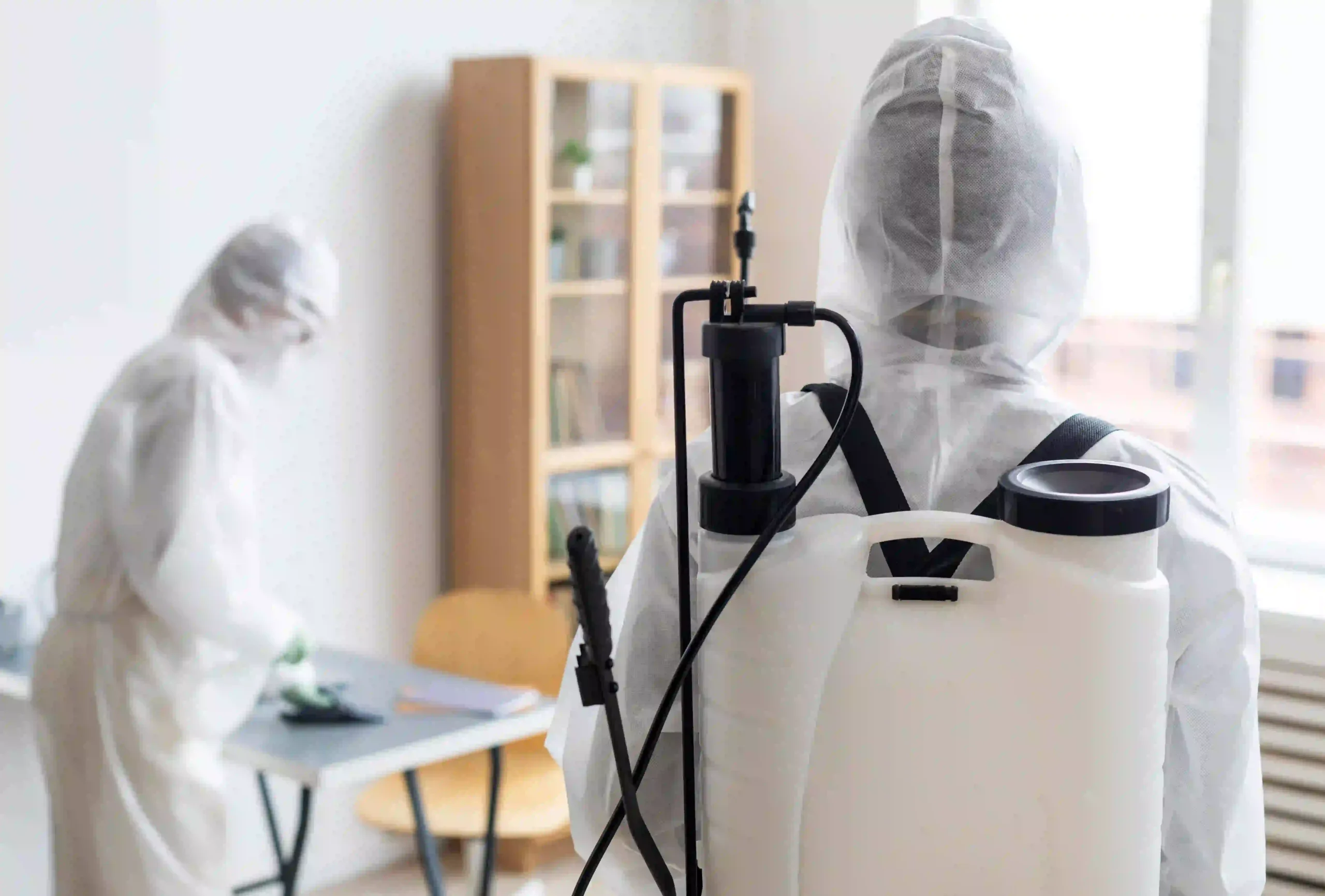
Thermal fogging uses a heated machine to convert liquid insecticide into a fine mist that fills a room completely, reaching under furniture, inside ceiling voids, and into cracks that a spray nozzle cannot access. The fog lingers in the air before settling, making it particularly effective against flying insects like mosquitoes and flies, and against pests hiding in large, hard-to-reach spaces such as warehouses, hotel rooms, and villa basements.
What Is Chemical Spray?
Chemical spray applies liquid insecticide directly onto surfaces wall corners, skirting boards, under sinks, along door frames, and around known pest entry points. Unlike fogging, it does not disperse into the air but creates a residual layer on treated surfaces that kills pests on contact or as they cross it. It is precise, targeted, and more suitable for crawling pests in specific, identifiable locations inside kitchens, bathrooms, and living areas.
Thermal Fogging vs. Chemical Spray: Key Differences
Here is how the two methods compare across the factors that matter most for pest control services in Sharjah:
- Coverage: Fogging fills entire rooms and reaches hidden spaces; spray targets specific surfaces and entry points only
- Best for: Fogging excels against mosquitoes, flies, and pests in large or cluttered spaces; spray works better for cockroaches, ants, and bed bugs in defined areas
- Residue: Spray leaves a longer-lasting residual barrier on surfaces; fogging settles quickly with minimal surface residue
- Downtime: Fogging requires full evacuation and ventilation time of 2–4 hours; spray requires less time, but surface cleaning in food prep areas is needed
- Cost: Fogging requires specialised equipment and is better suited for larger infestations or commercial properties; spray is more cost-effective for routine residential treatments
- Combination use: the most effective approach for severe infestations combines both methods: fogging clears the airborne and hidden population, spray creates a residual barrier to prevent return
Which Method Is Right for Your Property?
For large open spaces, warehouses, hotels, or properties with flying insect problems, thermal fogging delivers faster and more thorough coverage. For residential kitchens, bathrooms, and offices where crawling pests like cockroaches, ants, or bed bugs are the concern, chemical spray with a targeted residual product is the more precise and effective option.
At Al Atta Pest Control, we assess the property and pest type before recommending either method. In many cases, a combination of both delivers the most reliable long-term result particularly for properties that have experienced recurring infestations despite single-method treatments.
Safety Considerations for Both Methods
Both thermal fogging and chemical spray require the property to be vacated during treatment. All products used by Al Atta Pest Control are MOCCAE-approved and applied by licensed technicians who advise on safe re-entry times, surface cleaning requirements, and ventilation. Eco-friendly formulations are available for homes with children, pets, or residents with respiratory sensitivities.
FAQs
Which method is more effective for mosquito control in Sharjah?
Thermal fogging is more effective for mosquitoes. The fine mist reaches outdoor spaces, roof areas, and garden zones where mosquitoes breed and rest. For indoor mosquito problems, fogging combined with residual spray on entry points delivers the most complete result.
Can pest control services in Sharjah use both methods together?
Yes. Al Atta Pest Control regularly combines thermal fogging and chemical spray for severe or recurring infestations. Fogging clears the active population in hidden and airborne areas, while residual spray creates a barrier that prevents re-entry. The combination is particularly effective for commercial properties and villas.
How long does it take before I can re-enter my property after treatment?
For thermal fogging, the property should remain vacant for 2 to 4 hours with windows open for ventilation afterward. For chemical spray, re-entry is typically safe within 1 to 2 hours. Al Atta Pest Control technicians advise on the exact re-entry time based on the product used and the size of the area treated.
Summing Up
Choosing between thermal fogging vs. chemical spray is not about which method is better overall it is about which method is right for your specific pest problem and property. For expert assessment, MOCCAE-approved treatments, and professional pest control services in Sharjah tailored to your situation, contact Al Atta Pest Control today, available 24x7 across Sharjah and Ajman.