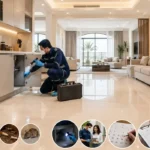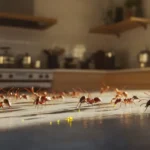

Have you ever wondered how pest control professionals know exactly where pests are active before treating a property without spraying chemicals everywhere? At Al Atta Pest Control, pheromone traps for pest control are one of the key monitoring tools our technicians use to identify pest activity with precision before any treatment is applied. Rather than reacting to visible infestations, pheromone traps detect pest presence early, track population trends, and help us target treatments exactly where they are needed reducing chemical use and improving long-term results across Sharjah homes and commercial properties.

Pheromone traps are devices designed to attract specific insects using chemical signals that insects naturally respond to. These signals, called pheromones, are commonly used by insects to communicate, particularly during mating.
Insects release pheromones to signal their presence to others of the same species. Pheromone traps replicate these signals to lure pests toward the trap. Once attracted, insects are captured using sticky surfaces or enclosed chambers. Because the pheromones are species-specific, these traps target only selected pests, making pheromone traps for pest control highly precise.
There are several types of pheromone traps commonly used in pest management:
Each type serves a different monitoring or control purpose, depending on the pest and environment.
One major advantage of pheromone traps is their role in eco-friendly pest control methods. Since they do not rely on chemical sprays, they help reduce pesticide use in residential and commercial spaces. This makes them safer for occupants, pets, and the surrounding environments.
Pheromone traps are also an effective non-chemical pest control option. They do not contaminate air, water, or surfaces, making them suitable for sensitive locations such as homes, food storage areas, and offices. This approach aligns well with modern pest control standards that prioritize safety and prevention.
One of the most practical uses of pheromone traps for pest control is monitoring rather than elimination. They provide valuable insight into pest behavior before infestations become severe.
Early Detection of Pest Problems
By attracting pests early, pheromone traps help identify issues before they spread. Early detection allows pest control teams to respond promptly and prevent larger infestations.
Measuring Pest Population Trends
Pheromone traps also assist in monitoring pest activity over time. Tracking how many insects are caught helps professionals understand population trends and determine whether pest levels are increasing or decreasing. This information supports better planning and avoids unnecessary treatments.
Although effective, pheromone traps are not a complete solution on their own. They target specific pests and are not designed to eliminate heavy infestations. Pheromone traps for pest control work best as monitoring and support tools rather than standalone treatments. Without follow-up measures, their effectiveness remains limited.
For long-term and effective pest management, pheromone traps work best when supported by professional pest control expertise. This combined approach helps in the following ways:
Yes. They are safe for indoor use and do not release harmful chemicals.
No. They mainly support monitoring and population control and should be combined with other treatments.
Most pheromone lures remain effective for several weeks and should be replaced regularly for accurate results.
Pheromone traps for pest control have become an important part of modern pest management by enabling accurate monitoring and reducing reliance on chemicals. However, their effectiveness depends on proper placement, regular checks, and professional oversight. Scheduling Pest control Sharjah services with Al Atta Pest Control and using pheromone traps as part of a broader strategy helps ensure pest issues are addressed early and managed responsibly.
WhatsApp us